
Introduction
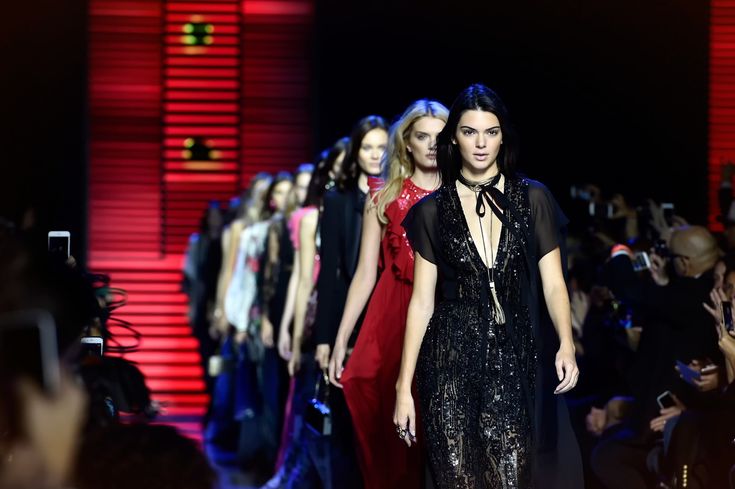
Fashion is far more than clothing—it is a living language that communicates identity, culture, and creativity. Across centuries, style has transformed alongside society, reflecting social values, economic shifts, and technological advancements. Today, fashion serves as both a practical necessity and a powerful tool for self-expression.
How Fashion Has Evolved Over Time
Fashion’s journey from ancient draped garments to today’s technologically enhanced textiles mirrors humanity’s development.
Historical Foundations
Early fashion was deeply tied to:
- Climate and environment
- Available materials
- Social hierarchy
From Egyptian linen to Roman togas and Medieval tailoring, each era contributed techniques still echoed in modern design.
The Industrial Revolution
The introduction of machinery changed everything:
- Mass production made clothing more affordable
- Sewing machines sped up garment creation
- Department stores revolutionized shopping
This period democratized fashion, allowing trends to spread rapidly.
Fashion as a Reflection of Culture
Fashion often mirrors what society values most.
Social Movements and Style
Significant cultural moments have shaped fashion trends:
- 1960s Counterculture: Bold prints and free-flowing silhouettes signaled rebellion.
- 1980s Power Dressing: Structured suits emphasized ambition and authority.
- 2000s Digital Age: Fast fashion emerged, driven by speed and accessibility.
Identity and Self-Expression
People use style to communicate identity, including:
- Gender expression
- Profession
- Community affiliation
- Personal creativity
Clothing becomes a visual biography of who we are.
Modern Fashion Trends
Contemporary fashion is influenced by global connectivity, sustainability concerns, and digital innovation.
Sustainability Takes Center Stage
Eco-conscious consumers have pushed the industry toward:
- Recycled textiles
- Ethical labor practices
- Slow fashion movements
- Circular production systems
The Rise of Digital Fashion
Technology has reshaped how we create and wear fashion:
- Virtual fitting rooms
- AI-driven design
- Digital-only garments for social media
This merging of tech and style is defining a new era.
Globalization and Cultural Exchange
Designers around the world draw inspiration from diverse cultures, blending traditions and modern aesthetics. This cross-cultural creativity fuels fresh perspectives and broadens fashion’s influence.
The Future of Fashion
Fashion’s future is being shaped by innovation, sustainability, and personalization.
Key Future Trends
- Increased use of biofabricated materials
- More inclusive sizing and representation
- Virtual wardrobes and metaverse fashion
- Advanced customization through AI and 3D printing
The industry aims to become more ethical, experiential, and tailored to individual lifestyles.
FAQs
1. Why is fashion important in modern society?
Fashion influences identity, confidence, and cultural expression, affecting how people present themselves and interact socially.
2. How does technology influence fashion design today?
AI, 3D printing, and virtual tools help designers innovate faster and create personalized experiences.
3. What is sustainable fashion?
It refers to making clothing in ways that reduce environmental impact and promote ethical production.
4. How does fashion reflect cultural trends?
Styles often mirror societal values, major events, and shifting attitudes in politics, art, and identity.
5. What role does social media play in shaping trends?
Platforms amplify micro-trends, give visibility to emerging designers, and accelerate how quickly styles spread.
6. How has globalization impacted fashion?
It has enabled cultural fusion, wider accessibility, and global trend adoption.
7. What skills are essential for a career in fashion?
Creativity, trend awareness, technical design skills, and understanding consumer behavior are crucial.