
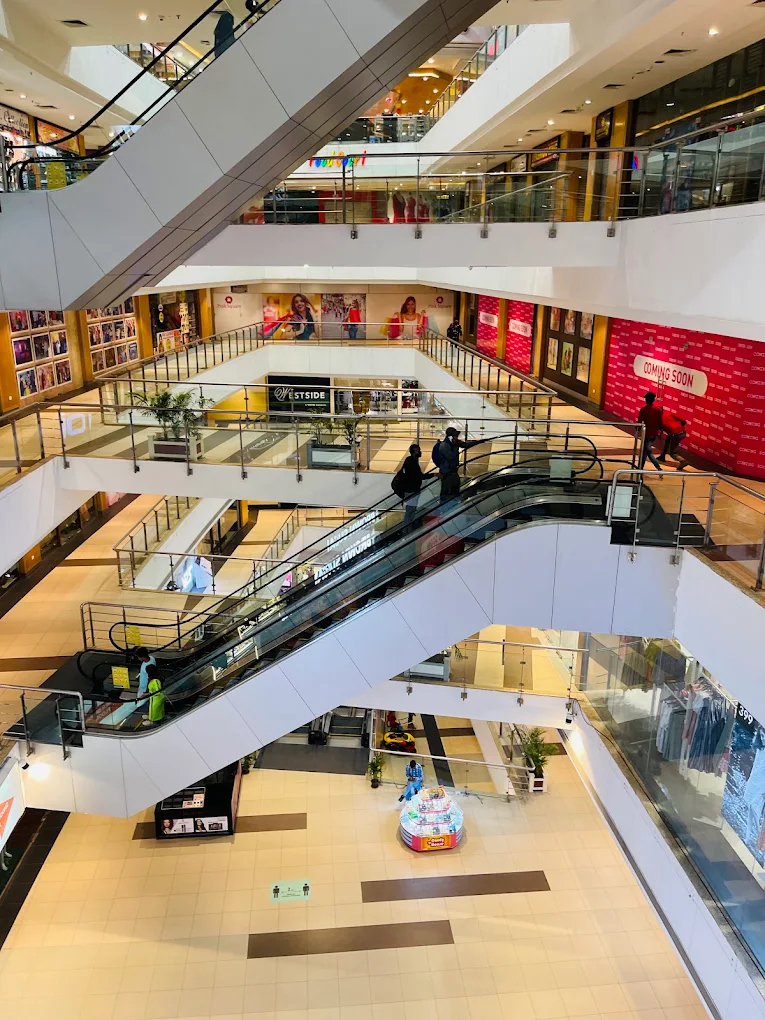
The Evolution of the Shopping Mall Experience
Shopping malls have transformed far beyond traditional retail hubs. Today, they are vibrant lifestyle destinations offering entertainment, diverse dining options, and immersive shopping environments. This shift reflects changing consumer expectations, with visitors seeking memorable experiences rather than just purchases.
A New Era of Entertainment-Focused Malls
From Shopping Centers to Experience Centers
Modern malls now feature attractions that encourage longer visits and cater to all age groups.
Popular Entertainment Elements in Malls
- Cinemas and IMAX theatres providing premium movie experiences
- Indoor theme parks and arcades with rides, VR zones, and gaming areas
- Bowling alleys and skating rinks for family-friendly recreation
- Live event spaces hosting concerts, seasonal festivals, and pop-up shows
Entertainment not only enhances visitor enjoyment but also increases foot traffic and overall engagement.
Dining Experiences as a Core Attraction
Gastronomy Within Reach
Dining has become a central component of mall design. Food courts have evolved into curated culinary districts offering global cuisines and experiential dining.
Types of Dining Experiences Found in Malls
- Fine dining restaurants with atmospheric interiors
- Casual dining chains ideal for families and groups
- Specialty cafes and dessert lounges for socializing
- Food halls showcasing artisan vendors and local flavors
The variety of dining options turns a simple shopping trip into a day-long outing.
Retail Reinvented Through Experience
Interactive Stores and Lifestyle Concepts
Retailers now focus on creating immersive store layouts that encourage exploration and engagement.
How Retail Stores Enhance the Mall Experience
- Product try-on zones such as smart fitting rooms
- Tech-integrated showrooms with AR/VR product previews
- Brand-hosted workshops and demos that build community
- Pop-up retailers bringing fresh trends each season
This approach blends convenience with discovery, making shopping more exciting and personalized.
The Rise of Mixed-Use Lifestyle Malls
Beyond Shopping: Community and Convenience
Many malls now integrate wellness, work, and leisure spaces to serve as community hubs.
Features Often Found in Modern Mixed-Use Malls
- Fitness centers and yoga studios
- Co-working spaces and business lounges
- Beauty salons and wellness clinics
- Outdoor plazas and rooftop gardens
These multipurpose elements encourage visitors to engage with the mall in diverse and meaningful ways.
Why Consumers Prefer Multi-Experience Malls
Key Benefits Include:
- Convenience – Everything from dining to entertainment is in one place
- Social connection – Ideal for group outings and family activities
- Variety – Endless options for shopping, eating, and playing
- Comfort – Climate-controlled environments suitable year-round
- Enhanced satisfaction – Richer experiences lead to higher enjoyment and loyalty
FAQs
1. What makes experience-based malls more appealing than traditional malls?
They offer multiple attractions—entertainment, dining, and retail—all in one location, creating a richer and more engaging visit.
2. Are entertainment-focused malls suitable for families with young children?
Yes, many malls include kid-friendly play zones, amusement rides, and safe activity centers.
3. How do malls balance dining and retail elements?
They create designated zones or themed districts that allow seamless movement between food areas and shopping corridors.
4. Do experiential malls attract non-shoppers as well?
Absolutely. People visit for movies, dining, events, and leisure even if they don’t plan to shop.
5. How do retailers adapt to the experiential mall model?
Stores incorporate digital technology, interactive designs, and personalized services to remain engaging and relevant.
6. What role does architecture play in modern mall experiences?
Open spaces, natural lighting, and thematic design elevate the atmosphere and make visits visually appealing.
7. Are mixed-use malls becoming the future of retail spaces?
Yes, as they cater to lifestyle needs beyond shopping, they are emerging as sustainable and multifunctional community hubs.