
Transforming Learning Through Technology
Technology has reshaped the way students learn and teachers teach, creating dynamic classrooms where interaction and participation thrive. By integrating digital tools, educators can inspire curiosity, personalize learning experiences, and empower students to take an active role in their education.
How Technology Enhances Interactivity in the Classroom
Real-Time Collaboration and Communication
Digital platforms allow students to collaborate instantly, whether they are seated together or working remotely. This encourages teamwork and communication, essential skills for modern learners.
Common Collaborative Tools
- Cloud-based document editors
- Discussion boards and learning management systems
- Group chat and video conferencing features
- Interactive brainstorming apps
Boosting Student Engagement With Interactive Tools
Multimedia Content for Improved Understanding
Videos, animations, and audio explanations make learning more dynamic. Complex concepts become easier to grasp when presented in varied formats that appeal to different learning styles.
Gamified Learning Experiences
Gamification brings motivation into the classroom by turning lessons into fun challenges. Points, badges, and leaderboards help maintain interest and build confidence.
Engagement-Boosting Technologies
- Educational games and simulation software
- Quiz apps with instant feedback
- Augmented reality tools for immersive exploration
Technology and Personalized Learning
Adaptive Learning Platforms
Digital technology allows instruction to be personalized based on student skill levels and progress. Adaptive systems analyze performance and adjust difficulty accordingly, offering customized pathways that support individual growth.
Benefits of Personalized Learning
- Supports diverse learning paces
- Identifies strengths and weaknesses early
- Provides instant feedback
- Encourages self-directed learning
Interactive Hardware Transforming Classrooms
Smartboards and Touchscreen Displays
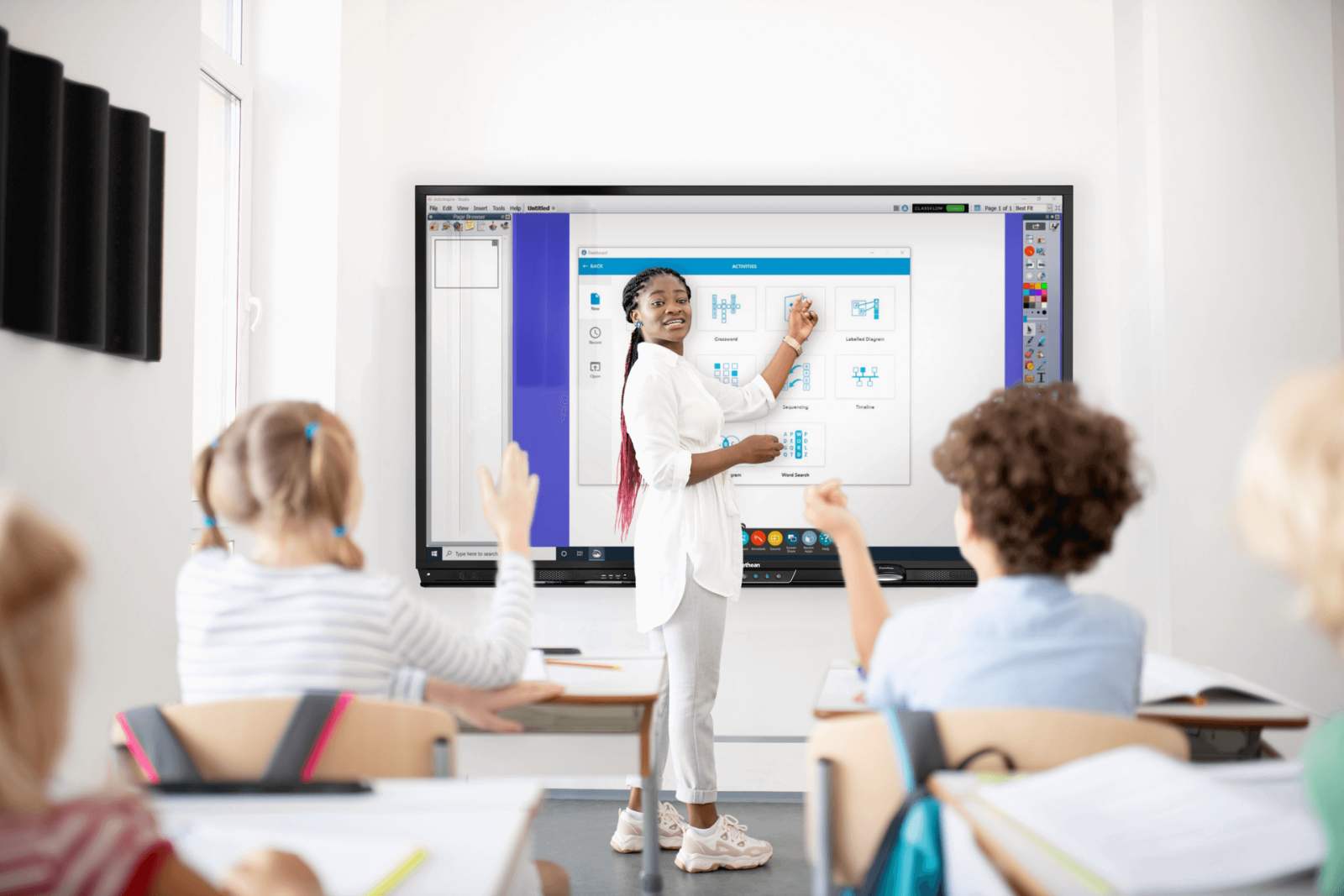
Traditional chalkboards are being replaced with interactive screens that allow students to draw, annotate, and participate actively during lessons.
Student Devices and Wearables
Tablets, laptops, and even educational wearables help students access materials instantly and engage with content more deeply.
Examples of Interactive Hardware
- Virtual reality headsets
- Document cameras
- Wireless tablets for teachers
- Smart pens and note-taking devices
Technology Supporting Teachers
Efficient Assessment and Feedback
Digital assessment tools allow teachers to evaluate understanding quickly and offer targeted feedback. This helps educators adjust their instruction in real time.
Automated Administrative Tasks
Attendance tracking, grading systems, and scheduling tools reduce workload, giving teachers more time to focus on student support and lesson creativity.
Preparing Students for a Digital Future
Technology-integrated education equips learners with skills they will use beyond the classroom. As digital literacy becomes essential in nearly every career path, early exposure helps students gain confidence and readiness for the future.
Future-Ready Skills Developed Through Technology
- Problem-solving and critical thinking
- Digital collaboration
- Research and analytical skills
- Creativity through multimedia tools
FAQs
1. Do all classrooms benefit equally from technology integration?
Not always. The impact depends on access, teacher training, and how effectively tools are incorporated into lessons.
2. Can technology replace traditional teaching methods?
No. Technology enhances instruction but cannot replace the value of human guidance, mentorship, and classroom interaction.
3. How can teachers ensure students stay focused when using devices?
Setting clear expectations, using monitoring software, and incorporating structured activities help maintain focus.
4. Are interactive tools suitable for all age groups?
Yes, though the type of technology should match developmental stages. Younger learners benefit from simple, visual tools, while older students can handle more complex platforms.
5. Is technology expensive to implement in schools?
Costs vary, but many institutions start small with budget-friendly devices or free digital platforms before expanding.
6. How does technology help students with learning difficulties?
Assistive technologies—such as speech-to-text, audiobooks, and adaptive software—offer essential support for diverse learning needs.
7. What training do teachers need for technology integration?
Professional development in digital tools, learning platforms, and classroom management strategies ensures effective implementation.
If you’d like, I can also tailor this article for SEO richness, create a PDF version, or generate additional images that match your layout style.